Back to Insights
Jan 12, 2026
The Rise of Agentic AI in Clinical Practice
— Written by Eric Richers
The era of passive software is over. Enter the age of Agentic AI—systems that don't just wait for input, but actively work to optimize your practice.
Beyond the Chatbot
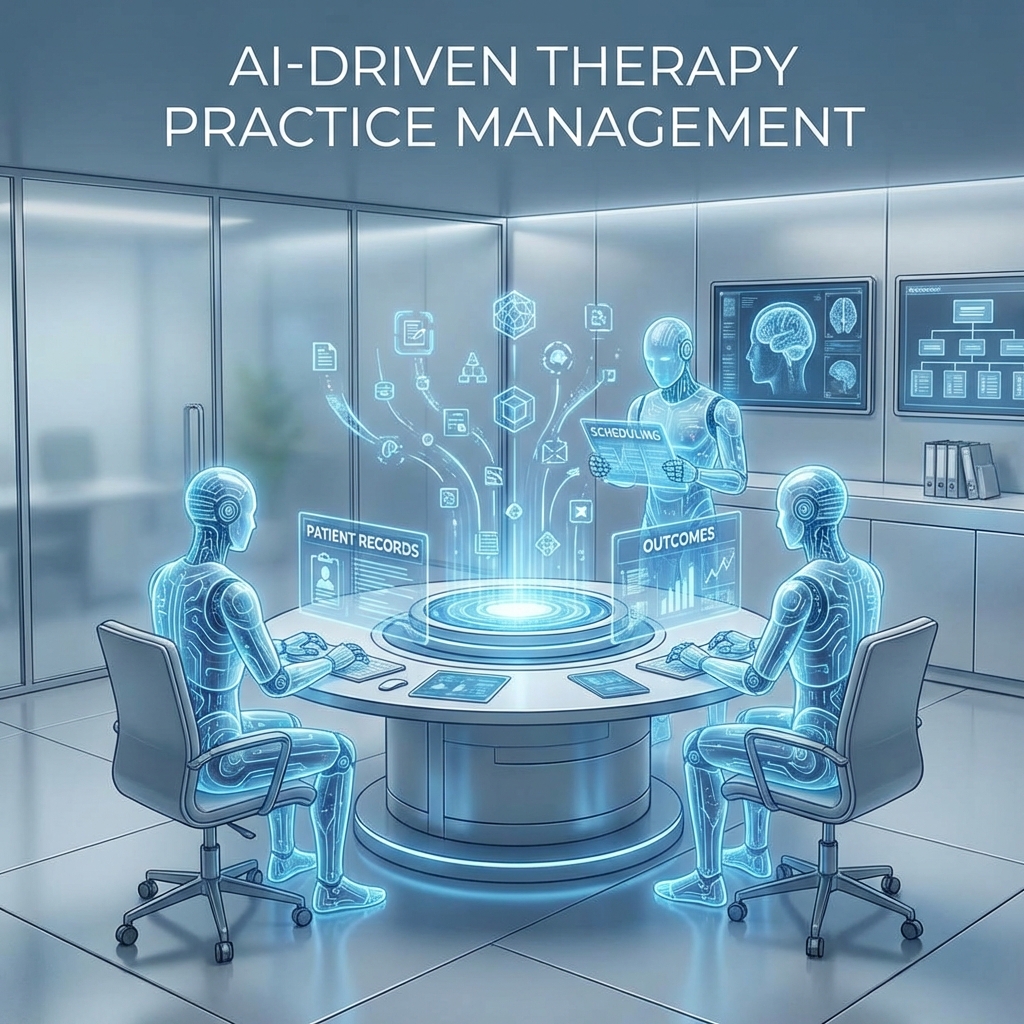
For years, "AI in therapy" meant clunky chatbots offering generic advice. Today, Agentic AI refers to autonomous systems capable of executing complex workflows. Imagine an intake coordinator that never sleeps, instantly verifying insurance benefits, sending welcome packets, and flagging high-risk keywords in intake forms before you even open your laptop.
"Agents are not just tools; they are teammates. They handle the mechanics of the business so clinicians can focus on the mechanics of healing."
The Three Pillars of Clinical Automation
- Intake Automation: AI agents can now screen potential clients for fit based on your specific clinical modalities (e.g., filtering for IFS or EMDR readiness) and handle the initial scheduling shuffle.
- Dynamic Documentation: Tools like highly secure, HIPAA-compliant scribes serve as "co-pilots," drafting SOAP notes in real-time that you simply review and sign.
- Financial Hygiene: Agents can actively chase outstanding invoices and reconcile payments, reducing the aggressive administrative overhead that leads to burnout.
The goal isn't to replace the human connection—it's to fiercely protect it by delegating everything else to silicon.